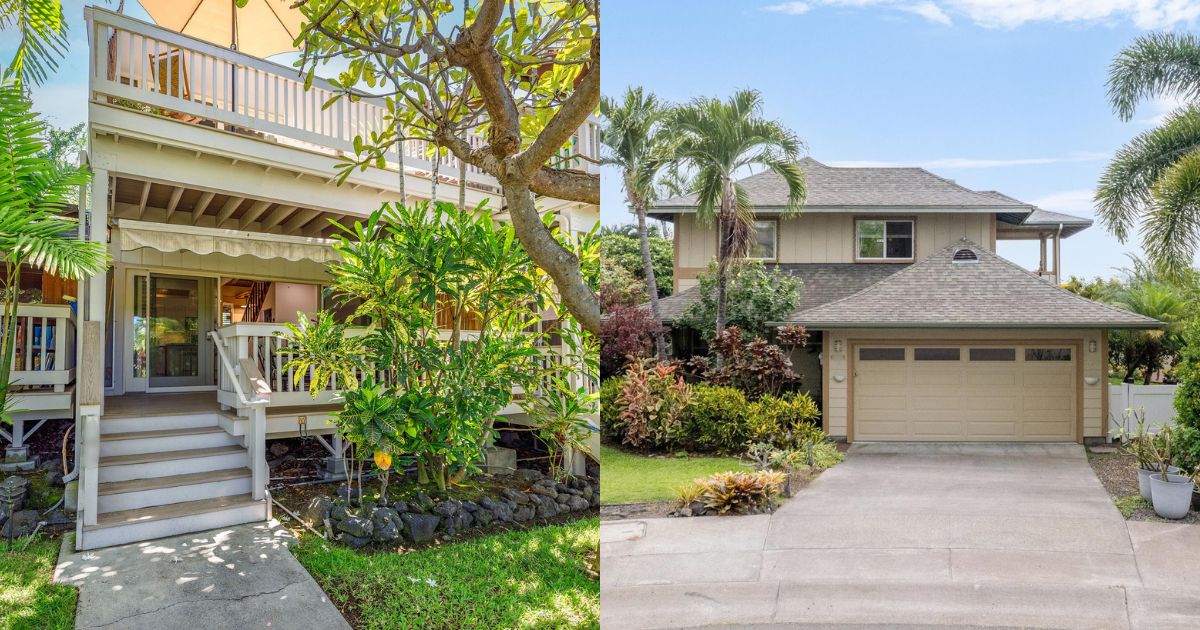
Buying a home in Hawaiʻi is about more than finding the perfect view, it’s about choosing a property that fits your lifestyle, budget, and long-term goals. One of the biggest decisions buyers face is whether to purchase a condominium or a single-family home.
There isn’t a one-size-fits-all answer. Both options offer unique advantages, and understanding the differences can help you make a more confident decision.
Why Condos Continue to Attract Buyers
Condominiums remain a popular choice throughout Hawaiʻi, especially for first-time buyers, retirees, second-home owners, and those looking for a lower-maintenance lifestyle.
One of the biggest advantages of condo ownership is affordability. In many areas, condos offer a lower purchase price than comparable single-family homes, making homeownership more accessible.
Many condominium communities also include amenities such as swimming pools, fitness centers, landscaped grounds, security features, and recreational spaces. Exterior maintenance, roofing, landscaping, and many common area repairs are typically handled by the homeowners association (HOA), allowing owners to spend more time enjoying island life.
For buyers who travel frequently or only live in Hawaiʻi part of the year, the convenience of condo living can be especially appealing.
If you’re looking to buy a home see our, check out the buyer’s information page.
Things to Consider Before Buying a Condo
While condos offer convenience, buyers should understand the ongoing costs that come with ownership.
Monthly HOA dues can vary significantly depending on the community and amenities provided. These fees often cover maintenance, insurance for common areas, water, sewer, and other shared expenses, but they should always be factored into your monthly housing budget.
While regular dues are intended to cover the association’s operating expenses and contribute to its reserve funds, there is always the possibility of what’s known as a “special assessment.” This occurs when the association needs to raise additional money for an expense that cannot be adequately covered by its existing budget or reserves. Depending on the circumstances, owners may be required to pay their share of the additional cost, sometimes with relatively short notice.
That’s why it’s important to review the association’s overall financial health before purchasing. An HOA with adequately funded reserves and a well-maintained reserve plan is better positioned to cover major repairs and unexpected expenses, which can help reduce the likelihood of costly special assessments.
Before purchasing a condo, take time to review:
- Monthly HOA fees
- Association reserve funds
- Pet policies
- Usage restrictions
- Parking availability
- Planned maintenance projects
These details can have a significant impact on your ownership experience.
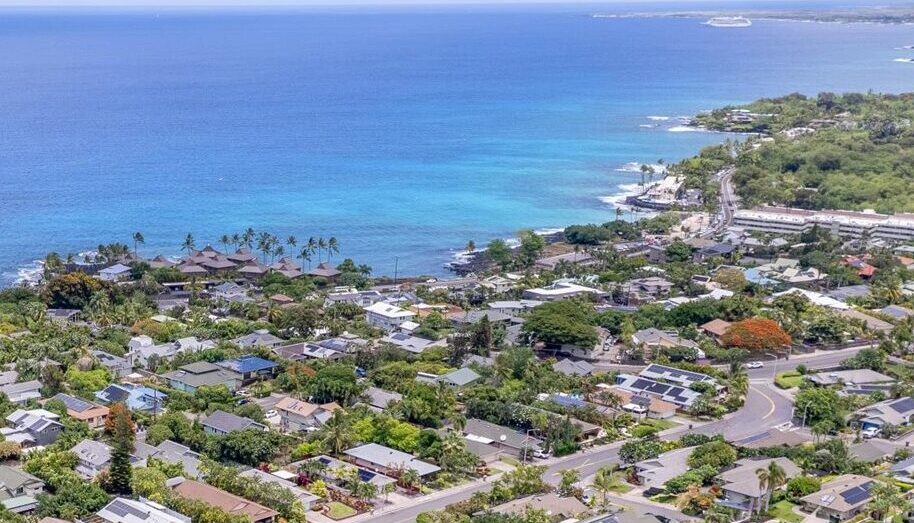
The Benefits of Owning a Single-Family Home
For buyers seeking privacy, space, and flexibility, a single-family home continues to be an attractive option.
Owning your own home often means having:
- Greater freedom to renovate or expand
- A private yard
- More living space
- Additional storage
- More privacy from neighbors
Single-family homes can also provide more opportunities for customization, whether you want to create an outdoor entertaining area, build a garden, or add a home office.
Many families appreciate having room for children, pets, or visiting relatives, making single-family homes an excellent long-term investment for those planning to stay in Hawaiʻi for many years.
Not ready to buy? See our long-term rental listings.
The Responsibilities That Come with a House
With greater freedom comes greater responsibility.
Unlike condo ownership, homeowners are generally responsible for maintaining the roof, landscaping, exterior paint, plumbing, and other major systems.
These maintenance costs should be included in your long-term financial planning. Setting aside funds each year for repairs and routine upkeep can help avoid unexpected surprises.
Insurance costs may also be higher depending on the home’s location, age, and exposure to weather-related risks.
Which Option Makes More Financial Sense?
The answer depends on your goals.
If your priority is keeping monthly housing costs lower while minimizing maintenance responsibilities, a condo may be the better fit.
If you’re looking for more space, privacy, and the freedom to personalize your property, a single-family home may offer greater long-term satisfaction—even if it comes with additional responsibilities.
Instead of focusing only on the purchase price, compare the total monthly cost of ownership, including:
- Mortgage payment
- Property taxes
- Homeowners insurance
- HOA dues (if applicable)
- Utilities
- Maintenance and repair expenses
Looking at the full financial picture can help you determine which option aligns with your budget.
Questions Every Buyer Should Ask
Before making a decision, consider these questions:
- How long do I plan to own this property?
- How much maintenance am I comfortable handling?
- Do I value amenities or private outdoor space more?
- Will my housing needs change over the next five to ten years?
- What monthly payment fits comfortably within my budget?
Your answers can provide valuable insight into which property type is right for you.
In the End, it’s Personal
Both condos and single-family homes offer incredible opportunities to enjoy life in Hawaiʻi. The best choice depends on your lifestyle, financial goals, and future plans—not simply current market conditions.
Whether you’re buying your first home, relocating to the islands, or investing in Hawaiʻi real estate, understanding the advantages and trade-offs of each property type will help you make a decision you’ll feel confident about for years to come.
If you’re considering buying a home on the Big Island and would like to explore your options, we can help you compare neighborhoods, property types, and current market opportunities. Every buyer’s situation is unique, and finding the right fit starts with understanding your goals.

Comments are closed