

Exploring the
Big Island!
The Big Island of Hawaii is a land of dramatic contrasts, offering everything from sunny beaches to lush rainforests and volcanic landscapes.
Kailua-Kona (West Side) – Known for its warm, dry climate and stunning sunsets, Kona is the island’s hub for beaches, snorkeling, coffee farms, and oceanfront dining.
Waimea (North) – Nestled in the rolling green hills of Parker Ranch country, Waimea offers cooler temperatures, paniolo (Hawaiian cowboy) culture, and sweeping views of Mauna Kea.
Hilo (East Side) – The island’s largest town is lush and tropical, famous for its waterfalls, farmers markets, and proximity to Hawaiʻi Volcanoes National Park.
Puna (Southeast) – A creative, off-the-beaten-path region with lava fields, black sand beaches, and a strong sense of community.
Volcano (South-Central) – A quiet, forested area near the entrance to the national park, ideal for exploring the island’s volcanic landscapes.
South Kona & Captain Cook – Known for coffee farms, snorkeling at Kealakekua Bay, and peaceful rural living.
Kohala (Northwest) – Home to historic towns like Hawi and Kapaʻau, as well as the island’s luxury resort coast with white sand beaches and five-star amenities.
Kau (Southwest) – A developing rural region offering space, value, opportunity, with both potential rewards and considerations due to limited infrastrutcture.
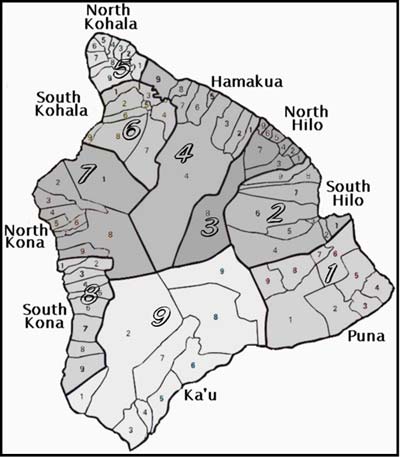
TMK EXPLAINED!
What does Tax Map Key mean and why do we use it?
If you’ve ever looked at an address on the Big Island of Hawaii — or any of the other Hawaiian islands — you may have noticed something unique. They often include a hyphen, for example our address 75-6082 Alii Drive. This numbering system isn’t a typo or a quirk. It serves a very practical purpose, deeply tied to the island’s geography.
Concerned ABOUT the weather?
Get a sense of just HOW tropical it is
The Big Island’s diverse climates mean weather can vary significantly by location. Some areas experience frequent rain, while others enjoy steady sunshine and trade winds. Understanding each microclimate is key when choosing where to live or invest.
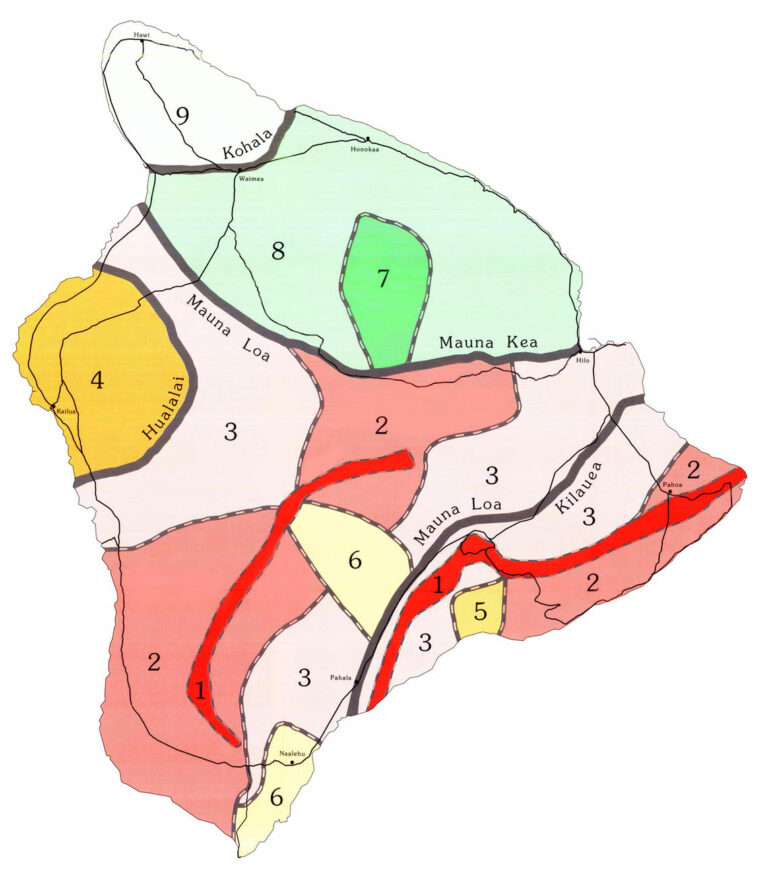
Life on a volcano
What do you mean, Lava Zones?
Lava zones on the Big Island help describe the varying levels of volcanic risk across the island’s diverse landscapes. Ranging from Zone 1—areas closest to active vents—to Zone 9, which includes the oldest and most stable regions, these zones give homeowners and buyers a clearer understanding of a property’s volcanic activity exposure. While much of the island is safe and thriving, knowing the lava zone is an important part of making informed real estate decisions in Hawaii.
Book your next stay in Hawaii
See our portfolio of amazing vacation rentals on the Kona coast!
Fill out your itinerary with these great excursions
From snorkeling with manta rays and exploring lava tubes to hiking lush rainforests and visiting active volcanoes, the Big Island is full of unforgettable experiences for every traveler. Whether you’re seeking ocean adventure, cultural discovery, or peaceful natural beauty, there’s something here waiting for you.
Something for Everyone
With such diverse landscapes comes an equally diverse real estate market — offering something for everyone. From oceanfront estates along the Kona and Kohala coasts, to plantation-style homes in Hilo, sleek resort condos in Waikoloa, and off-grid retreats in Puna, the Big Island provides a wide range of lifestyle options. Whether you’re seeking a luxury getaway, a family home, or land to build your dream retreat, Hawaiʻi blends natural beauty, cultural richness, and investment potential in one extraordinary place to call home.
F.A.Q.
Frequently Asked Questions
Life here blends community, nature, and culture. Residents enjoy year-round outdoor activities — snorkeling, hiking, surfing, and exploring volcanic landscapes — while embracing the local spirit of aloha and sustainability.
Yes. The island has public and private schools, the University of Hawaiʻi at Hilo and Palamanui in Kona, hospitals, shopping centers, and plenty of local farmers markets and restaurants. Services can be more limited in remote areas, so location choice matters.
Yes. Many buyers purchase vacant land to build custom homes. It’s important to review zoning, access to utilities, and lava zone classification before purchasing to ensure the property fits your plans.
For its balance of beauty, space, and lifestyle. The Big Island offers more land and privacy than most of Hawaiʻi, a strong sense of community, and the opportunity to live close to nature — whether near the ocean, in the rainforest, or on the slopes of Mauna Kea.